Table of Contents
- Start With a Clear Lifestyle Profile
- Compare Location Before Comparing Finishes
- Look at the Land, Not Just the House
- Understand the Major Luxury Home Styles
- Review the 2026 Market With a Local Lens
- Build a Neighborhood Scorecard
- Ask Better Questions During Due Diligence
- Common Mistakes to Avoid
- A Five-Step Comparison Process
- Frequently Asked Questions
- Choose the Setting That Supports Your Lifestyle
In Phoenix-area luxury real estate, the setting can matter just as much as the home itself. Two properties with similar price tags may offer entirely different routines, from a quiet gated arrival and expansive mountain views to walkable dining, a shorter airport drive, or a lower-maintenance lifestyle. For buyers reviewing homes for sale in Paradise Valley, AZ, Clayton Wolfe provides a current property-search resource focused on one of the metro’s most private luxury markets. As a luxury real estate specialist serving Paradise Valley, Scottsdale, and nearby areas, Wolfe’s local focus can help buyers compare listings alongside the location, lot, and lifestyle factors that shape a purchase.
There is no single best luxury neighborhood for every household. The right choice depends on how you expect to live there, how often you will travel, what kind of outdoor space you want, and which compromises you can comfortably make. A polished kitchen can be remodeled. A long commute, limited privacy, awkward lot, or obstructed view is much harder to change.
Start With A Clear Lifestyle Profile
Before touring homes, define the daily experience you want. A useful search begins with priorities rather than a list of finishes. Consider whether you prefer quiet streets or immediate access to restaurants and entertainment, mountain views or a flatter lot, and a full-time residence or an easy seasonal retreat.
- How much privacy, security, walkability, or resort access do you need?
- Will you need space for guests, staff, pets, hobbies, or multiple home offices?
- Do you want a large estate parcel or a residence with simpler upkeep?
- Are golf, hiking, schools, medical care, or airport access part of your regular routine?
Compare Location Before Comparing Finishes
Drive times shape everyday ownership more than many buyers expect. A desert estate may provide calm and separation, while a home closer to central Scottsdale or Phoenix may make dining, cultural venues, employment centers, and errands easier. Neither is automatically better. The question is whether the location fits your real schedule.
Visit each target area at least three times: on a weekday morning, in late-afternoon traffic, and on a weekend evening. Drive to the places you are most likely to use, including the airport, grocery store, golf club, office, or favorite restaurant. This reveals road noise, traffic patterns, lighting, and the practical trade-off between convenience and seclusion.
Look At The Land, Not Just The House
In the luxury segment, the lot often carries much of a property’s lasting appeal. Review lot size, setbacks, topography, drainage, and the distance between neighboring homes. Also, look beyond the current landscaping. Identify vacant parcels, adjacent redevelopment opportunities, easements, and anything that could affect a view or your sense of privacy later.
Outdoor usability deserves the same attention as interior square footage. Ask whether the pool receives the desired sun exposure, whether patios have meaningful shade, and whether there is room for guest quarters, garages, landscaping upgrades, or entertaining areas. A beautifully renovated home can still feel constrained if the outdoor layout does not support the way you live.
Understand The Major Luxury Home Styles
- Custom desert estates: Often offer larger parcels, courtyards, mature landscaping, covered patios, and strong indoor-outdoor flow.
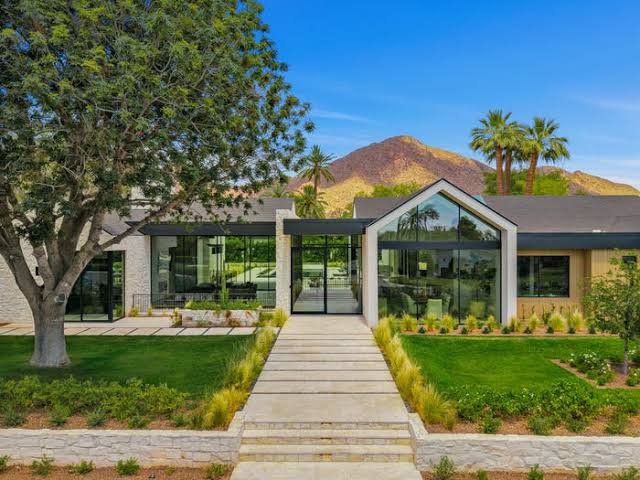
- Contemporary homes: May emphasize glass walls, clean lines, smart-home features, and newer materials, but can require careful review of heat management and maintenance.
- Historic or character homes: Can provide mature lots and distinctive architecture, along with possible renovation, preservation, and system update needs.
- Lock-and-leave residences: Suit some seasonal owners through simplified maintenance and shared amenities, though association rules may limit changes.
- Hillside properties: Deliver dramatic views, but access, grading, retaining walls, drainage, and repairs can be more complex.
Review The 2026 Market With A Local Lens
Metro-wide statistics are a useful context, but they do not replace neighborhood-level analysis. As of the three months ending in May 2026, Paradise Valley’s median sale price was about $4.4 million, yet that figure combines very different property types and price ranges. Buyers should compare recent closed sales with active competition, price reductions, days on market, and list-to-sale ratios for homes that genuinely resemble the one under consideration. The current Paradise Valley housing market data can be a helpful starting point, but it should not be treated as a valuation for a specific home.
Rare properties can behave differently from the overall market. Exceptional views, privacy, architecture, usable land, and documented renovations may attract stronger demand even when negotiation is common elsewhere. Study the property’s individual strengths and shortcomings rather than assuming that a broad trend determines its value.
Build A Neighborhood Scorecard
After every tour, score each property from one to five in these categories:
- Location and daily access.
- Privacy, lot quality, and views.
- Architecture, layout, and condition.
- Outdoor living potential.
- Maintenance needs and carrying costs.
- Resale flexibility for future buyers.
Then write down one concern that remodeling cannot solve. This simple discipline helps prevent a staged interior or dramatic first impression from outweighing a permanent disadvantage.
Ask Better Questions During Due Diligence
Luxury homes often have more systems, more land, and more specialized improvements to evaluate. Ask about the age and service history of the roof, HVAC equipment, pool systems, water features, irrigation, security equipment, and smart-home technology. Confirm which improvements were permitted, and review easements, shared drives, deed restrictions, architectural rules, insurance considerations, drainage concerns, and retaining-wall history.
Also, estimate the annual cost of landscaping, pool care, utilities, security, repairs, and reserve planning. Ownership costs do not make a home undesirable, but understanding them before making an offer produces a clearer comparison.
Common Mistakes To Avoid
- Choosing finishes over privacy, views, and lot quality.
- Assuming the highest-priced home represents the best value.
- Touring only once or only during convenient hours.
- Using citywide data to judge a small luxury submarket.
- Ignoring nearby construction potential or system age.
- Making an offer before reviewing comparable sales and seller motivation.
A Five-Step Comparison Process
- Define the lifestyle: List the experiences that matter most every week.
- Select three to five areas: Keep the search broad enough to expose meaningful trade-offs.
- Tour varied property types: Compare estates, remodeled homes, newer construction, and lower-maintenance options.
- Review the numbers: Consider recent sales, taxes, insurance, operating costs, and likely upgrades.
- Rank the compromises: Favor the property with the fewest serious limitations, not merely the most impressive room.
Frequently Asked Questions
What Should Buyers Compare First In A Luxury Neighborhood?
Start with location, privacy, lot quality, and daily convenience. Interior finishes can change, but the setting usually cannot.
Is A Larger Home Always A Better Purchase?
No. A smaller home on a superior lot with better views, privacy, and outdoor usability may have broader long-term appeal.
What Makes A Luxury Property Easier To Resell?
Functional design, quality construction, a desirable setting, usable outdoor space, and well-documented improvements can all help. No feature guarantees resale success.
Choose The Setting That Supports Your Lifestyle
The strongest luxury purchase is rarely defined by price alone. It combines a location that works every day, land that supports privacy and outdoor living, a home whose maintenance needs are manageable, and a neighborhood with enduring appeal. Compare carefully, tour thoughtfully, and choose the setting that still feels right after the finishes fade into the background.