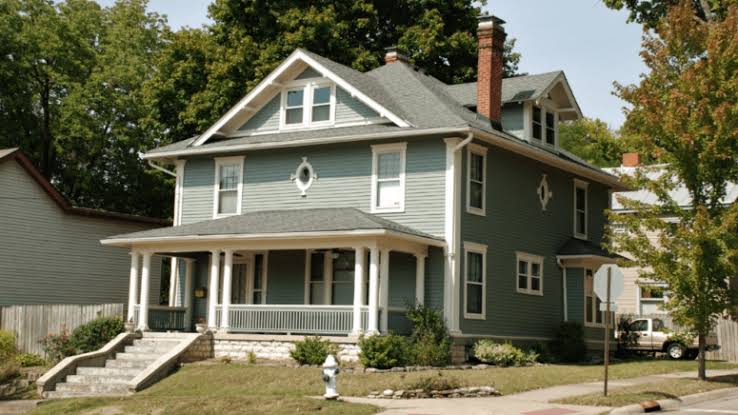
Florida offers sunshine, beautiful coastlines, and vibrant communities. However, homeowners in the state also face unique security challenges. From seasonal storms to rising property crime in certain areas, protecting your home requires more than strong doors and good locks. A reliable alarm system provides peace of mind, whether you live in a busy city like Miami or a quiet suburban neighborhood.
Choosing the right system can feel overwhelming because of the many available options. Technology has evolved rapidly, offering smart integrations, remote monitoring, and advanced sensors. To make the right decision, homeowners must understand their specific needs, property type, and local risks. This guide explains everything you need to know before investing in a modern security solution.
Understanding Florida’s Unique Security Needs
Florida presents specific environmental and security concerns that influence alarm system selection. The state experiences high humidity, heavy rainfall, hurricanes, and frequent lightning storms. These factors can impact the durability and reliability of electronic systems. Therefore, it is essential to select equipment designed to withstand harsh weather conditions.
In addition to weather-related risks, certain areas in Florida report higher burglary rates. Seasonal residents who leave their properties vacant for months face increased vulnerability. Homes that remain unoccupied during part of the year require systems with remote monitoring and instant alerts.
Another important consideration is storm-related power outages. Alarm systems with battery backup ensure continuous protection even when electricity fails. When evaluating security options, always confirm that the system includes backup power and cellular connectivity to maintain reliability during emergencies.
Types of Home Alarm Systems Available
Home security systems generally fall into two main categories: monitored and unmonitored systems. Monitored systems connect to a professional monitoring center that responds to alerts 24/7. If a break-in, fire, or emergency occurs, trained professionals contact you and dispatch authorities immediately.
Unmonitored systems rely on loud alarms and mobile notifications to alert homeowners. While they cost less upfront, they require you to respond personally to alerts. For many Florida homeowners, especially snowbirds or frequent travelers, professional monitoring provides an extra layer of reassurance.
When researching home alarm systems in Florida, it is important to compare wired and wireless options. Wireless systems are popular due to easy installation and flexibility. They work well for both houses and condos. Wired systems offer long-term stability but may require more complex installation.
Essential Features to Look For
Modern alarm systems offer a wide range of features beyond basic intrusion detection. Choosing the right combination depends on your home layout and lifestyle.
Door and Window Sensors: These detect unauthorized entry and trigger immediate alerts.
Motion Detectors: Ideal for covering larger interior spaces such as living rooms or hallways.
Glass Break Sensors: Useful for homes with large windows or sliding glass doors, common in Florida properties.
Security Cameras: Indoor and outdoor cameras allow remote viewing through smartphone apps. High-definition video and night vision improve effectiveness.
Smart Home Integration: Many systems connect with smart locks, lighting, and thermostats. This integration enhances convenience and energy efficiency.
Environmental Monitoring: Fire, smoke, flood, and carbon monoxide detection are especially valuable in Florida, where storms can cause water damage and electrical hazards.
Choosing a system with these features ensures comprehensive protection rather than basic intrusion alerts.
Importance of Professional Installation vs. DIY
Some homeowners prefer DIY alarm systems due to lower upfront costs. These systems are often simple to install and configure through mobile apps. However, professional installation offers several advantages.
Security professionals assess your property layout and identify vulnerable entry points. They ensure sensors are positioned correctly and that coverage remains complete. In Florida, proper installation is especially important due to weather exposure and construction styles such as stucco exteriors and large patio doors.
Professional installers also provide guidance on system operation and maintenance. This support reduces user error and improves long-term reliability. While DIY systems may suit smaller homes or apartments, larger properties often benefit from expert installation.
Monitoring Services and Emergency Response
Monitoring plays a crucial role in maximizing home security. A monitored system connects directly to a response center that operates 24/7. When an alarm triggers, professionals verify the alert and contact local authorities if necessary.
This service is particularly valuable during hurricane season. If a storm damages your property while you are away, monitoring agents can notify you immediately. Some systems even detect flooding or temperature changes that signal potential damage.
Before selecting a provider, review response times, contract terms, and customer support reputation. Transparent pricing and flexible agreements make a significant difference in long-term satisfaction.
Costs and Budget Considerations
The cost of a home alarm system varies based on equipment, monitoring services, and installation fees. Basic packages may start at a few hundred dollars, while advanced systems with cameras and smart integrations cost more.
Monthly monitoring fees typically range between moderate and premium pricing tiers depending on the level of service. While it may seem tempting to choose the cheapest option, reliability and quality should remain top priorities.
Consider long-term value instead of only upfront expenses. A dependable system can reduce insurance premiums and protect against costly losses from theft or property damage. Many insurance providers offer discounts for professionally monitored systems.
Smart Technology and Mobile Access
Smart technology has transformed home security. Most modern systems offer mobile apps that allow remote control. You can arm or disarm the system, receive real-time alerts, and view live camera feeds from anywhere.
For Florida homeowners who travel frequently or maintain seasonal residences, remote access provides peace of mind. Instant notifications ensure that you remain informed about any unusual activity.
Some systems also integrate with voice assistants, allowing hands-free control. Automated routines, such as turning on lights when motion is detected, enhance both security and convenience.
Choosing a Reliable Security Provider
Selecting the right provider is just as important as choosing the right equipment. Look for companies with strong local experience and positive customer reviews. Florida-based providers often understand regional risks better than national chains without local expertise.
Evaluate warranty options, service guarantees, and customer support availability. Reliable providers offer clear communication and prompt technical assistance. Reading customer testimonials and checking ratings helps ensure credibility.
Additionally, confirm that the company complies with state regulations and holds proper licensing. Professional certification demonstrates commitment to quality and accountability.
Final Thoughts
Protecting your Florida home requires thoughtful planning and reliable technology. From weather-related risks to property crime concerns, choosing the right alarm system ensures your family and belongings remain safe year-round.
Focus on essential features, professional monitoring, and durable equipment suited to Florida’s climate. Compare providers carefully and consider long-term value rather than only initial costs.