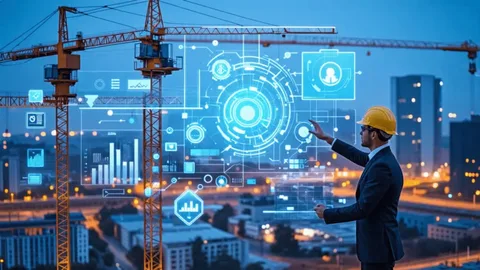
The construction industry has traditionally relied on manual processes, physical labor, and experience-based decision-making. However, the rise of artificial intelligence (AI) is transforming how projects are planned, managed, and executed. Today, AI in construction is improving safety, boosting efficiency, and increasing productivity across job sites worldwide.
From predictive analytics to smart equipment and automated scheduling, AI-powered tools are helping construction companies reduce costs, minimize risks, and complete projects faster than ever before.
Enhancing Safety on Construction Sites
Construction sites are among the most hazardous workplaces. According to global labor statistics, accidents caused by falls, equipment misuse, and unsafe conditions remain a serious concern. AI is playing a major role in addressing these risks.
AI-powered cameras and computer vision systems can monitor job sites in real time. These systems detect unsafe behavior, such as workers not wearing protective gear or entering restricted zones. Once identified, supervisors receive instant alerts, allowing them to act quickly.
Wearable AI devices are also improving safety. Smart helmets and vests equipped with sensors can monitor workers’ heart rates, body temperature, and fatigue levels. If abnormal readings are detected, the system can warn both the worker and management, preventing potential accidents.
Predictive analytics is another powerful application of AI in construction safety. By analyzing historical data, AI systems can predict high-risk scenarios and recommend preventive measures before accidents occur. This proactive approach significantly reduces workplace injuries.
Improving Project Efficiency
One of the biggest challenges in construction is staying on schedule and within budget. Delays often occur due to poor planning, unexpected design conflicts, or supply chain disruptions. AI helps overcome these obstacles through advanced data analysis and automation.
AI-powered project management software can analyze thousands of data points from previous projects to create more accurate timelines and cost estimates. These systems adjust schedules automatically if delays or changes occur, helping managers make informed decisions quickly.
Building Information Modeling (BIM) integrated with AI allows teams to detect design clashes before construction begins. For example, AI can identify conflicts between electrical wiring and plumbing systems within digital blueprints. Resolving these issues early prevents costly rework and delays.
Additionally, AI-driven supply chain systems predict material shortages and optimize inventory management. This ensures that materials arrive on time, reducing downtime on construction sites.
Boosting Productivity with Automation
Automation is one of the most impactful contributions of AI in construction. AI-powered robots and machines can perform repetitive and labor-intensive tasks with high precision.
For instance, bricklaying robots can lay bricks faster and more accurately than manual labor. Autonomous construction vehicles can transport materials around the site without constant human supervision. These technologies allow workers to focus on more complex and strategic tasks.
Drones equipped with AI are also enhancing productivity. They conduct site surveys, capture aerial images, and generate accurate 3D maps in a fraction of the time required by traditional methods. This speeds up inspection processes and improves progress tracking.
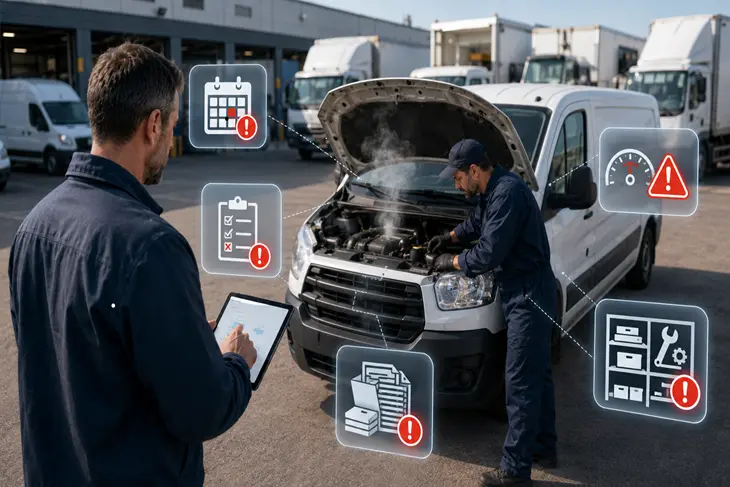
AI also supports predictive maintenance for heavy machinery. Instead of waiting for equipment to break down, AI systems analyze performance data to detect early signs of malfunction. Maintenance can then be scheduled proactively, reducing downtime and repair costs.
Data-Driven Decision Making
Construction projects generate massive amounts of data. AI transforms this data into actionable insights. By analyzing patterns and trends, AI systems help managers make better decisions regarding budgeting, staffing, scheduling, and risk management.
For example, AI can evaluate weather patterns and recommend optimal work schedules to minimize disruptions. It can also analyze worker performance data to allocate resources more effectively.
Data-driven decisions not only improve project outcomes but also increase overall profitability.
The Future of AI in Construction
As AI technology continues to evolve, its impact on construction will expand further. Integration with technologies like the Internet of Things (IoT), robotics, and augmented reality will create smarter and more connected construction sites.
However, successful adoption requires proper training and investment. Construction companies must ensure their teams understand how to use AI tools effectively while maintaining human oversight.
Conclusion
AI in construction is no longer a futuristic concept—it is a practical solution transforming the industry today. By improving safety, enhancing efficiency, and boosting productivity, AI is helping construction companies complete projects faster, reduce costs, and protect workers.
As technology advances, companies that embrace AI-driven innovation will gain a competitive edge in the rapidly evolving construction landscape.