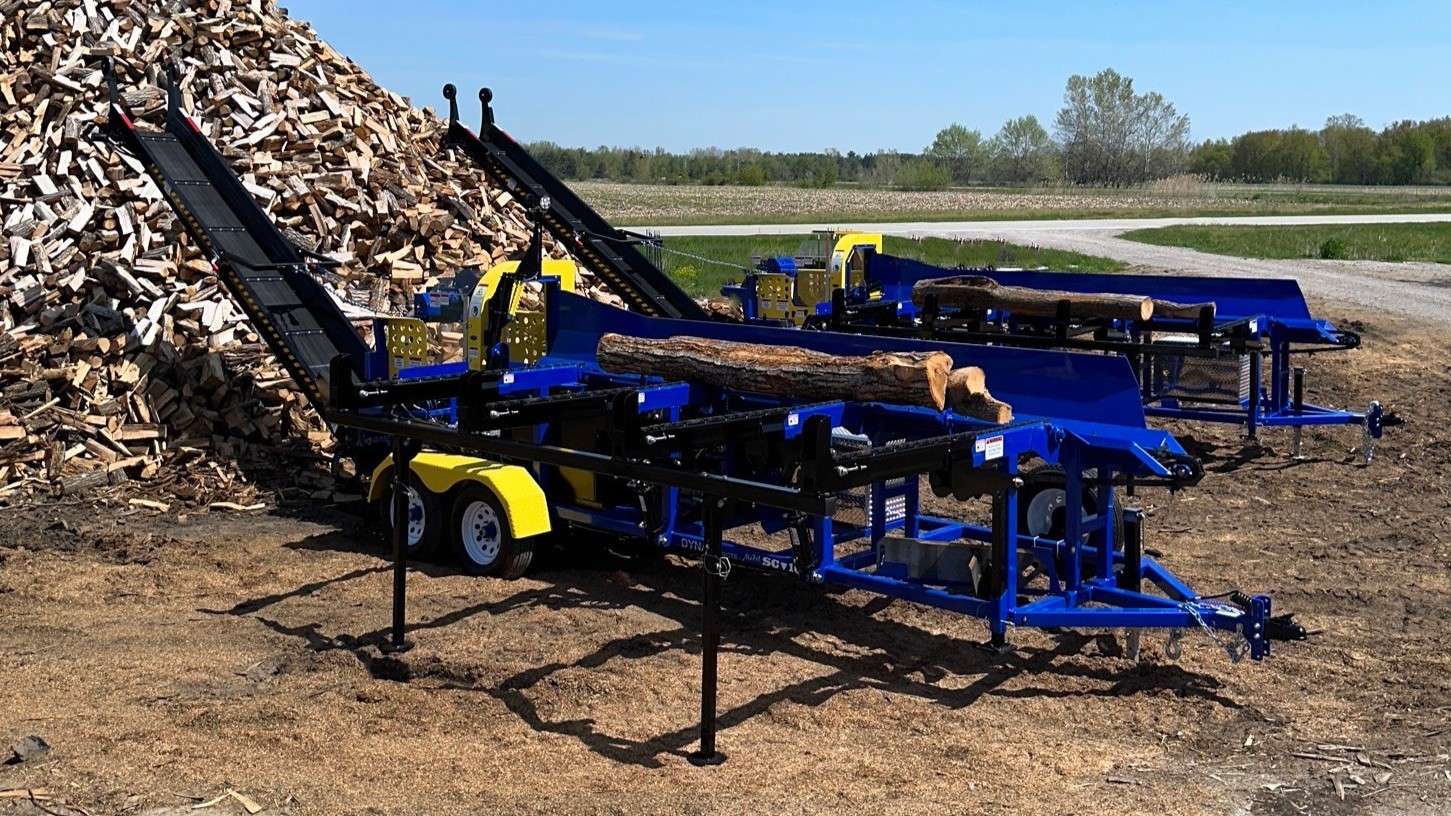
If you want a Firewood Processor for Sale Manitoba that fits your workload and budget, start by knowing what capacity, mobility, and features you need. You can find new and used Canadian-built processors and regional dealers across Manitoba, making it realistic to buy a machine that matches farm, acreage, or small commercial production needs.
This article shows how to evaluate cycle speed, splitting systems, and tow or stationary options so you buy the right Firewood Processor for your operation. It also points you toward local sources, classifieds, and manufacturers that commonly list machines in Manitoba so you can compare price, availability, and lead time.
Choosing the Right Firewood Processor
Match capacity to your typical cord volume, pick durable cutting and splitting components, and confirm service support and parts availability in Manitoba before you buy.
Key Features to Consider
Look at daily and peak processing capacity measured in cords per hour. For small-hobby use, 0.5–1 cord/hour machines with 20–30″ saws suffice; for commercial use, target 2+ cords/hour and 30–36″ or larger saws. Assess the splitter type and force. A hydraulic wedge with 15–30 tons of splitting force handles mixed hardwoods; radial or multi-knife options improve throughput for uniform lengths.
Examine feed system design. Continuous infeed conveyors with variable speed let you control log flow; automatic log clamps reduce manual handling. Check engine and powertrain options. Diesel engines offer fuel range and torque for heavy work, while PTO or electric models suit smaller operations and lower maintenance. Prioritize frame and wear parts. Hardened knives, replaceable anvil plates, and robust conveyor chains reduce downtime and repair cost.
Safety Standards and Certifications
Confirm the processor meets Canadian/ANSI safety norms. Look for CE marking where applicable and ANSI/CSA-equivalent guards on saws and splitters to reduce entanglement and ejection risk. Verify presence of emergency stops and dual-control systems. Easily reachable E-stops, two-handed start systems, and light curtains on the infeed protect operators during high-throughput work.
Inspect guarding and lockout/tagout features. Full guarding over moving parts and clear lockout procedures for maintenance minimize accidental startups. Ask dealers for documentation and training. Operator manuals, on-site safety briefings, and local service technicians in Manitoba improve safe long-term use.
Maintenance Requirements
Check daily and weekly service needs before buying. Daily greasing points, chain tension checks, and hydraulic fluid-level inspections should be simple and quick to perform. Assess parts accessibility. Machines with modular wear parts—bolt-on knives, accessible saw bearings, and externally reachable filters—cut repair time.
Review hydraulic and electrical system complexity. Simple hydraulic circuits with common hose sizes and standard electrical components are easier and cheaper to service in rural Manitoba. Confirm spare-parts availability and dealer support. Choose brands with local dealers or stocked parts for Dyna, Hakki Pilke, or regional suppliers to avoid long downtime during peak season.
Where to Find Firewood Processors in Manitoba
You can find new and used processors through local equipment dealers, classified marketplaces, and vendors that offer delivery and service across the province. Focus on dealer reputation, parts availability, and whether sellers provide on-site setup or inspections.
Trusted Local Dealers
Look for dealers that list forestry or logging equipment and have physical locations in Manitoba like Red Pine Equipment or regional ag dealers. These dealers usually stock new models from manufacturers, provide warranty registration, and handle trade-ins or financing.
Ask the dealer for service records, parts inventory, and dealer-trained technicians in Winnipeg or nearby centers. Verify that they offer on-site demonstrations so you can inspect engine starts, log feeding, and splitter settings before buying.
Compare quoted delivery and setup fees, and confirm whether the unit includes a spare parts kit or recommended maintenance schedule. Buying from an established dealer reduces your risk of hidden defects and simplifies warranty work.
Online Marketplaces
Use online marketplaces such as MarketBook, TreeTrader, Kijiji, and Facebook Marketplace to find both new and used units across Manitoba. These sites list models, hours of use, and seller contact info so you can compare pricing quickly.
Filter listings by location to avoid long-distance pickups and look for clear photos of the processor’s feed rollers, splitter, and hydraulic components. Message sellers to request maintenance logs, fresh photos, and a short video of the machine running under load.
When you find a promising listing, arrange an in-person inspection or hire a local technician to evaluate wear on the engine, hydraulic system, and splitting knives. Insist on a bill of sale that specifies included attachments and any known issues.
Regional Delivery and Support Options
Confirm whether a seller offers provincial delivery, crating, or flatbed transport to your rural address. Many Manitoba dealers and specialty sellers work with local transporters who handle oversize loads and winter road conditions.
Check for dealer or manufacturer-authorized service centers within a manageable drive—Winnipeg, Brandon, and Thompson commonly host service hubs. Ask about parts lead times for popular brands and whether dealers stock hydraulic seals, belts, and electronic controls.
If you plan remote use, prioritize sellers that provide start-up support, operator training, or phone diagnostics. Having a nearby service contract can cut downtime and preserve resale value.