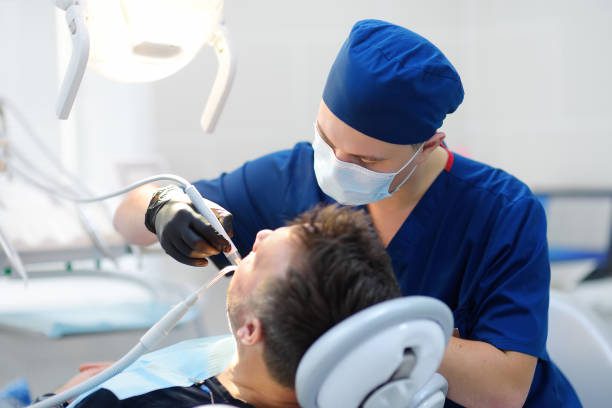
You may be excited about veneers, bonding, or a full smile makeover through Blackfoot cosmetic dentistry, then hear your dentist say you need a cleaning, gum treatment, or cavity repair first. That can feel frustrating, especially when you are ready to fix what you see in the mirror. Still, that step is not a delay for the sake of delay. It is the foundation that keeps cosmetic work looking good, fitting well, and lasting longer.
How preventive dentistry prepares patients for complex cosmetic work comes down to one simple truth. Cosmetic results depend on healthy teeth and gums. If plaque, decay, bite problems, or gum disease are left alone, even beautiful dental work can fail early. A strong preventive plan gives your dentist a clean, stable base to work from, which protects both your smile and your investment.
Preventive dental care creates the foundation for cosmetic dentistry
Cosmetic procedures change appearance, but they still rely on biology. Veneers need enamel that can support bonding. Crowns need teeth that are free from active decay. Whitening works better when heavy buildup is removed first. Implants need healthy bone and gum tissue. If your mouth is inflamed or infected, cosmetic treatment becomes less predictable.
This is where routine care matters. Professional cleanings remove tartar you cannot brush away at home. Exams catch hidden problems before they spread. X rays can show decay between teeth, bone loss, or old dental work that is starting to fail. The Centers for Disease Control and Prevention shares oral health tips for adults that support this basic truth. Daily brushing, flossing, and regular dental visits are not separate from cosmetic goals. They are part of them.
You see this play out in small ways all the time. Someone wants whitening, but the shade looks uneven because one tooth has untreated decay and another has an old filling that will not lighten. Someone wants veneers, but the gums bleed during impressions because plaque has been sitting along the gumline for months. Someone wants a full cosmetic rebuild, but the bite is wearing down the front teeth faster than expected. The cosmetic plan is still possible, though the sequence changes because health comes first.
Untreated gum disease and decay can undermine cosmetic dental work
Gum disease does not always hurt early on, which is part of the problem. You may notice a little bleeding when you floss and think nothing of it. Underneath, the gums may already be inflamed, and the bone that supports your teeth may be changing. The CDC explains the basics of gum and periodontal disease, including how easy it is to miss the early signs.
If cosmetic work is placed on teeth with unstable gum support, the result can look good at first and disappoint you later. Gum recession can expose margins. Swollen tissue can distort shape and symmetry. Bone loss can affect tooth position and even loosen teeth that were supposed to anchor a larger plan. The same goes for untreated cavities. A veneer or crown does not erase decay hiding underneath or beside it. If the tooth structure is weak, the restoration has less to hold onto.
This is why preventive care before cosmetic dentistry is not a side issue. It reduces the risk of redoing work, paying for repairs sooner than expected, and living with a result that never feels quite right.
Daily home care supports long term cosmetic results
The work does not start and end in the dental chair. Your habits at home shape what your dentist can do and how long the result will hold up. Brushing twice a day with fluoride toothpaste, cleaning between teeth, drinking less sugary or acidic beverages, and wearing a night guard if you grind all protect cosmetic work after it is done. The National Institute on Aging offers practical guidance on taking care of your teeth and mouth, and those basics apply whether you have natural teeth, crowns, veneers, or implants.
People often think of prevention as the plain, boring part of dentistry and cosmetics as the rewarding part. In real life, they are tied together. Preventive visits help your dentist monitor margins, polish surfaces safely, check your bite, and catch wear before it turns into a fracture or a remake.
Preventive dentistry lowers risk before complex cosmetic work
| Condition Before Treatment | Risk During Cosmetic Work | Benefit of Preventive Care First |
|---|---|---|
| Plaque and tartar buildup | Poor shade matching, inflamed gums, less accurate impressions | Cleaner surfaces, healthier tissue, more precise planning |
| Untreated cavities | Weak support for veneers, crowns, or bonding | Stronger tooth structure and longer lasting restorations |
| Early gum disease | Bleeding, recession, shifting gumlines, unstable esthetics | Healthier gum contours and better long term support |
| Teeth grinding or bite imbalance | Chipping, fractures, premature wear of cosmetic work | Bite protection and improved durability |
Smile preparation through preventive dentistry also helps with cost control. Fixing active disease before major esthetic treatment is usually less expensive than replacing failed cosmetic work later. It gives your general and cosmetic dentist a clearer roadmap and gives you a better sense of what the final plan should include.
Clear steps make cosmetic treatment more predictable
Schedule a diagnostic exam first. Ask for a full evaluation before choosing a cosmetic procedure. That visit should include a cleaning if needed, gum measurements when appropriate, X rays, and a bite check. You want to know whether decay, clenching, old restorations, or gum inflammation could affect the plan.
Complete basic treatment before esthetic work. If your dentist recommends fillings, periodontal care, or a night guard, handle that first. This is the part many people want to rush past, yet it is often what makes the final result stable and natural looking.
Build a maintenance routine you can keep. Cosmetic dentistry is not one and done. Ask how often you should return for cleanings, whether certain toothpastes or rinses are best for your restorations, and how to protect the work if you grind your teeth or drink a lot of coffee, tea, or soda.
A better smile is not only about what gets added to your teeth. It is also about what gets treated, cleaned, stabilized, and protected first. When prevention leads the plan, cosmetic dentistry becomes more precise, more durable, and more worth the effort. If you are considering treatment with a general and cosmetic dentist, start with the health of your mouth and move forward from there with confidence.