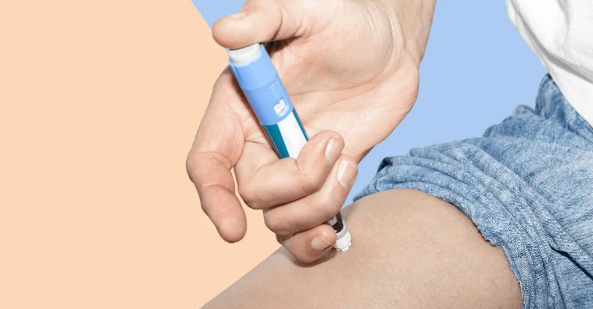
Tirzepatide can reduce appetite, increase feelings of fullness, and slow the rate at which food leaves the stomach. These effects can make it easier to eat less, but they can also change how your body responds to certain foods. Choosing balanced, nutrient-dense meals can help you get the nutrition your body needs while supporting your weight management goals.
When deciding what to eat while taking tirzepatide, focus on foods that provide protein, fiber, vitamins, minerals, and healthy carbohydrates without making meals unnecessarily heavy. Smaller portions may feel more comfortable because tirzepatide can slow stomach emptying. For people using an online tirzepatide prescription, understanding how to build meals around the medication can make the treatment experience easier to manage.
FitRx provides online tirzepatide prescriptions for eligible patients after a licensed provider reviews their health information and determines that treatment is appropriate. Its weight loss care can include prescription medication, ongoing support, and follow-up care, helping patients stay connected with their healthcare team as their treatment progresses.
Why Food Choices Matter While Taking Tirzepatide
Tirzepatide works partly by activating GLP-1 and GIP receptors. These pathways influence appetite, blood sugar regulation, and digestion. One effect is slower stomach emptying, which can help you feel full for longer after eating.
Because food may remain in the stomach longer, very large or heavy meals can become uncomfortable. Some people experience nausea, bloating, indigestion, constipation, diarrhea, or vomiting while taking tirzepatide. These effects can be more noticeable when starting treatment or increasing the dose.
This does not mean you need to follow an extremely restrictive diet. Instead, the goal is to make the smaller amount of food you eat as nutritious as possible.
Prioritize Lean Protein
Protein should be an important part of meals while taking tirzepatide. Good options include chicken, turkey, fish, eggs, Greek yogurt, cottage cheese, tofu, beans, lentils, and other lean protein sources.
Tirzepatide can significantly reduce appetite, which may cause some people to eat much less than they did before treatment. Getting enough protein can help support muscle maintenance during weight loss. Protein also tends to be filling, making it a useful foundation for smaller meals.
Try adding a protein source to each main meal. For example, breakfast could include eggs with vegetables and oatmeal. Lunch could include grilled chicken with vegetables and a whole grain. Dinner might include baked fish, lentils, or lean poultry with cooked vegetables.
The exact amount of protein you need depends on factors such as your body size, activity level, age, health status, and overall diet. A healthcare provider or registered dietitian can help determine an appropriate target.
Choose Fiber-Rich Foods
Fiber can support digestive health and may help with constipation, which is a common gastrointestinal concern with GLP-1 medications. Good sources include vegetables, fruits, beans, lentils, oats, quinoa, barley, chia seeds, and other whole grains.
However, increasing fiber too quickly can cause bloating or digestive discomfort. If your usual diet is low in fiber, increase it gradually while also drinking enough fluids.
Some people may tolerate cooked vegetables better than large amounts of raw vegetables, particularly during the early stages of treatment. You can experiment with different preparation methods and choose foods that feel comfortable for your digestion.
Eat More Vegetables and Fruits
Vegetables and fruits provide important vitamins, minerals, fiber, and water. Since tirzepatide may reduce the amount of food you naturally want to eat, nutrient density becomes especially important.
Leafy greens, tomatoes, carrots, cucumbers, broccoli, zucchini, berries, apples, oranges, pears, and other fruits and vegetables can fit into a balanced eating pattern.
You do not need to completely eliminate naturally occurring sugars in fruit. Whole fruits also provide fiber and nutrients, making them different from sugary drinks, candy, and other foods with large amounts of added sugar.
If your appetite is very low, smaller portions of fruit or cooked vegetables may be easier to manage than a large serving.
Include Healthy Carbohydrates
Carbohydrates can still be part of a healthy diet while taking tirzepatide. Instead of relying heavily on refined carbohydrates, choose options that provide more fiber and nutrients.
Oatmeal, quinoa, brown rice, barley, whole-grain bread, and other minimally processed whole grains can provide carbohydrates along with fiber and other nutrients. Beans and lentils can also provide both carbohydrates and protein.
The goal is not to remove carbohydrates completely. A balanced meal can include a reasonable portion of a whole-grain or other nutrient-rich carbohydrate alongside protein and vegetables.
Stay Hydrated Throughout the Day
Drinking enough fluids is particularly important while taking tirzepatide. Nausea, vomiting, and diarrhea can contribute to fluid loss, while reduced appetite may sometimes cause people to pay less attention to drinking.
Water is generally the best choice for everyday hydration. You can also get fluids from foods with high water content, such as fruits and vegetables. Cleveland Clinic recommends staying hydrated while taking tirzepatide and paying attention to fluid needs, especially during hot weather or physical activity.
If drinking a large amount at once makes you feel overly full, try sipping water throughout the day instead.
Eat Smaller Meals
One of the most useful changes for people taking tirzepatide is adjusting meal size. Because the medication can slow stomach emptying, large meals may be more difficult to tolerate.
Instead of forcing yourself to finish a large plate, start with a smaller serving and eat slowly. Stop when you feel comfortably full. Eating beyond fullness may increase the chance of nausea, reflux, bloating, or stomach discomfort.
Some people find that several smaller meals are easier to tolerate than three large meals. Your eating schedule can be adjusted according to your appetite, medication response, daily routine, and healthcare provider’s recommendations.
Limit High-Fat and Fried Foods
High-fat meals may be harder to tolerate when taking tirzepatide, particularly if you already experience nausea, reflux, or stomach discomfort. Fried chicken, heavily greasy foods, large portions of cheese, doughnuts, pizza, and other high-fat meals may trigger or worsen digestive symptoms for some people.
You do not necessarily have to remove every source of dietary fat. Instead, focus on moderate portions of healthier fat sources such as avocado, nuts, seeds, and olive oil if you tolerate them well.
The amount and type of fat that works best can vary from person to person.
Be Careful With Sugary and Highly Processed Foods
Tirzepatide may reduce cravings, but highly processed foods can still take up a large portion of your daily calories without providing much nutritional value.
Foods such as candy, pastries, sugary drinks, cookies, chips, and other heavily processed snacks are better limited. Sugary drinks can be particularly easy to overconsume because they provide calories without the same fullness associated with solid foods.
Instead, choose meals that combine protein, vegetables, fruit, whole grains, and other nutrient-rich ingredients. This approach can help you get more nutritional value from the smaller portions you may naturally prefer while taking tirzepatide.
What to Eat if Tirzepatide Causes Nausea
Nausea is one of the gastrointestinal side effects that some people experience with tirzepatide. If you feel nauseated, heavy or greasy meals may be particularly difficult to tolerate.
Smaller portions and bland foods may be easier during periods of nausea. Foods such as toast, crackers, rice, broth, or other simple options may be useful temporarily. Zepbound’s patient guidance also recommends smaller meals, stopping when full, avoiding fatty foods, and trying bland foods when nausea occurs.
However, persistent or severe nausea should not simply be managed through diet. Speak with your healthcare provider if symptoms are significant, worsening, or preventing you from eating and drinking normally.
What to Eat if You Experience Constipation
Constipation can occur during treatment with GLP-1 medications. Hydration, gradual increases in dietary fiber, and regular physical activity may support healthy bowel movements.
Foods such as oats, berries, pears, vegetables, beans, lentils, chia seeds, and whole grains can contribute fiber to the diet. However, suddenly eating very large amounts of fiber may increase bloating or discomfort, so gradual changes are usually easier to tolerate.
If constipation is persistent, painful, or severe, discuss it with your healthcare provider rather than relying only on dietary changes.
A Simple Tirzepatide-Friendly Meal Pattern
A practical meal does not need to be complicated. You can start with a lean protein source, add vegetables or fruit, include a moderate portion of a whole-grain or other nutritious carbohydrate, and add a small amount of healthy fat if tolerated.
For breakfast, eggs with vegetables and oatmeal can provide protein, fiber, and carbohydrates. For lunch, grilled chicken with vegetables and quinoa can make a balanced meal. Dinner could include baked fish, cooked vegetables, and a small portion of brown rice. Greek yogurt with berries can work as a simple snack when you want something light.
The most important point is to listen to your appetite and stop when you are comfortably full. You do not need to finish a serving simply because it is on your plate.
Foods to Limit While Taking Tirzepatide
There is no universal list of foods that every person must completely avoid while taking tirzepatide. However, some foods are more likely to cause problems or make it harder to maintain a nutritious eating pattern.
High-fat fried foods, very large meals, sugary drinks, highly processed snacks, and heavily spicy foods may be worth limiting, especially if they trigger nausea, reflux, diarrhea, or stomach discomfort.
Your individual response matters. A food that causes discomfort for one person may be tolerated well by another, so paying attention to patterns can help you identify your own triggers.
FitRx Can Support Tirzepatide Weight Loss Treatment
Food choices are only one part of a medically guided weight management plan. Tirzepatide treatment may involve dose adjustments, monitoring, side-effect management, and regular communication with a healthcare provider.
FitRx connects eligible patients with licensed healthcare providers who can evaluate whether tirzepatide is appropriate for their individual circumstances. Patients can receive ongoing support as they work through treatment, including guidance around medication response, side effects, and progress.
FitRx also offers other weight management treatment options when clinically appropriate. The provider determines which medication and treatment plan are suitable based on the patient’s health information rather than guaranteeing a particular prescription.
Building Healthy Habits With Tirzepatide
Tirzepatide can make it easier to manage appetite, but healthy nutrition remains important throughout treatment. Because you may feel less hungry, it can be easy to unintentionally eat too little or miss important nutrients.
A balanced approach focuses on quality rather than simply reducing food intake. Prioritize protein, vegetables, fruits, fiber-rich foods, whole grains, and adequate fluids. Keep portions manageable, eat slowly, and adjust your choices when certain foods cause digestive discomfort.
Regular physical activity can also complement a healthy eating pattern and support overall fitness and muscle health. If you have specific medical conditions or dietary requirements, a healthcare professional can help personalize your nutrition plan.
Conclusion
The best foods to eat while taking tirzepatide are generally nutrient-dense foods that provide protein, fiber, vitamins, minerals, and adequate hydration without making meals unnecessarily heavy. Lean proteins, vegetables, fruits, whole grains, beans, and other minimally processed foods can form the foundation of a balanced eating pattern.
At the same time, large meals and foods that are high in fat, heavily processed, very sugary, or difficult to digest may be worth limiting, particularly if they worsen gastrointestinal symptoms.
Tirzepatide treatment works best as part of an overall healthcare plan. Paying attention to nutrition, hydration, physical activity, medication instructions, and regular provider follow-up can help you build sustainable habits while working toward your weight management goals.